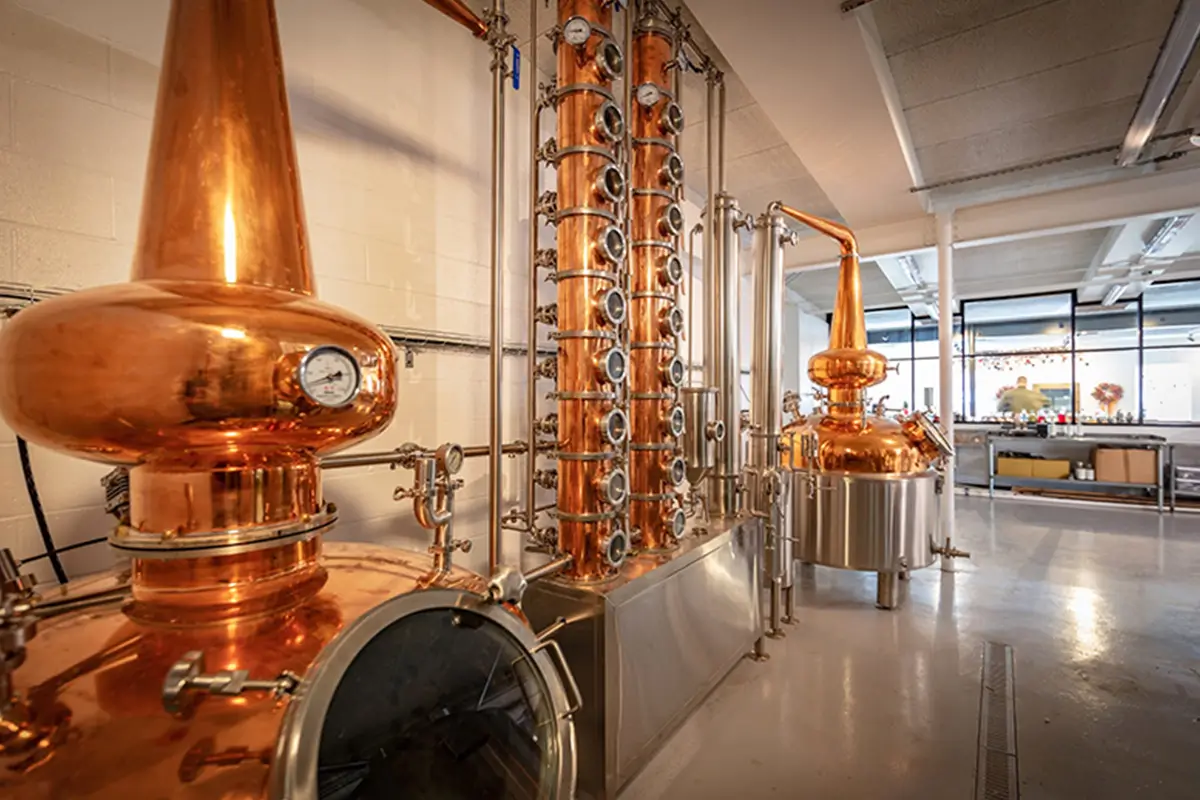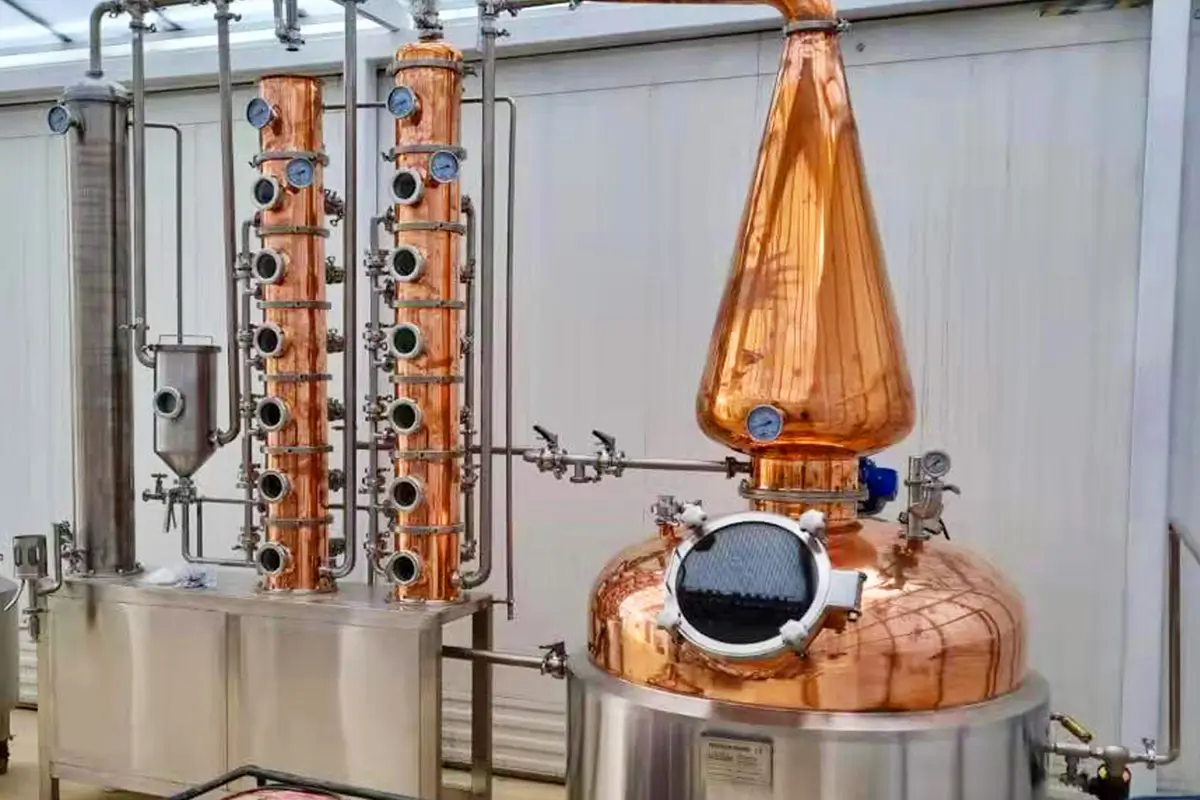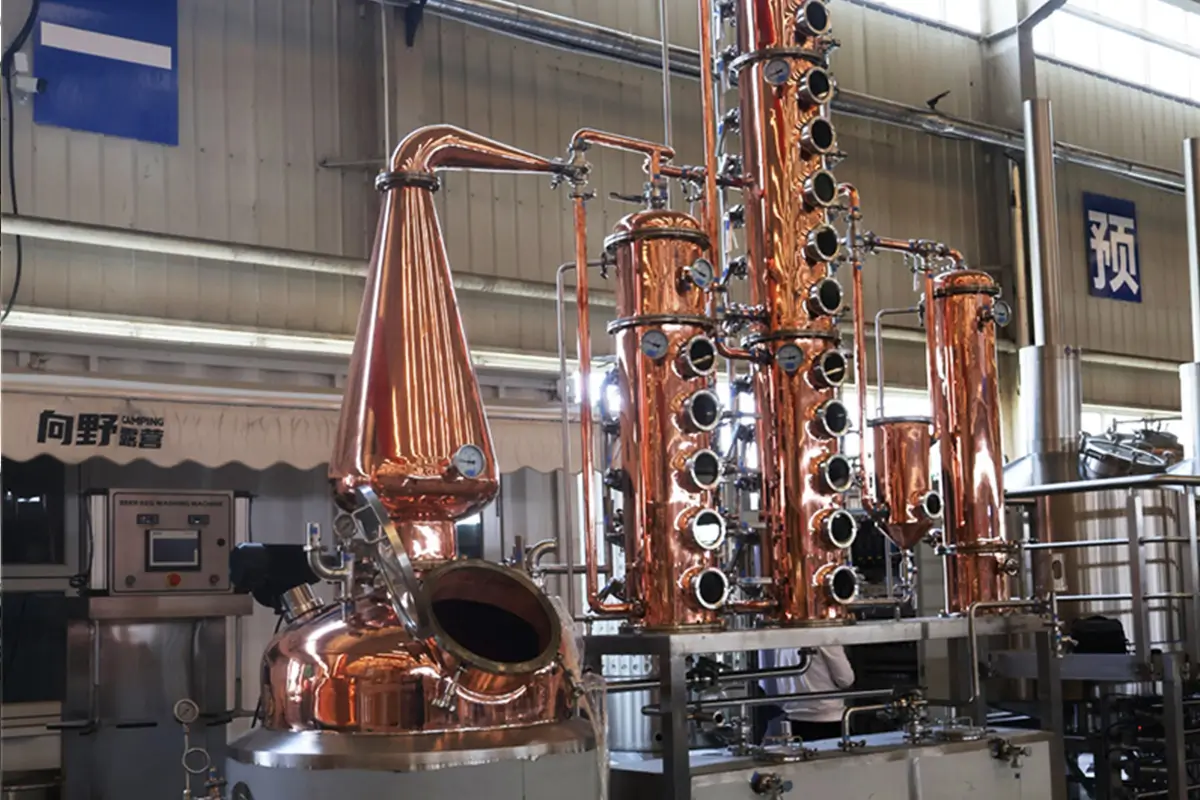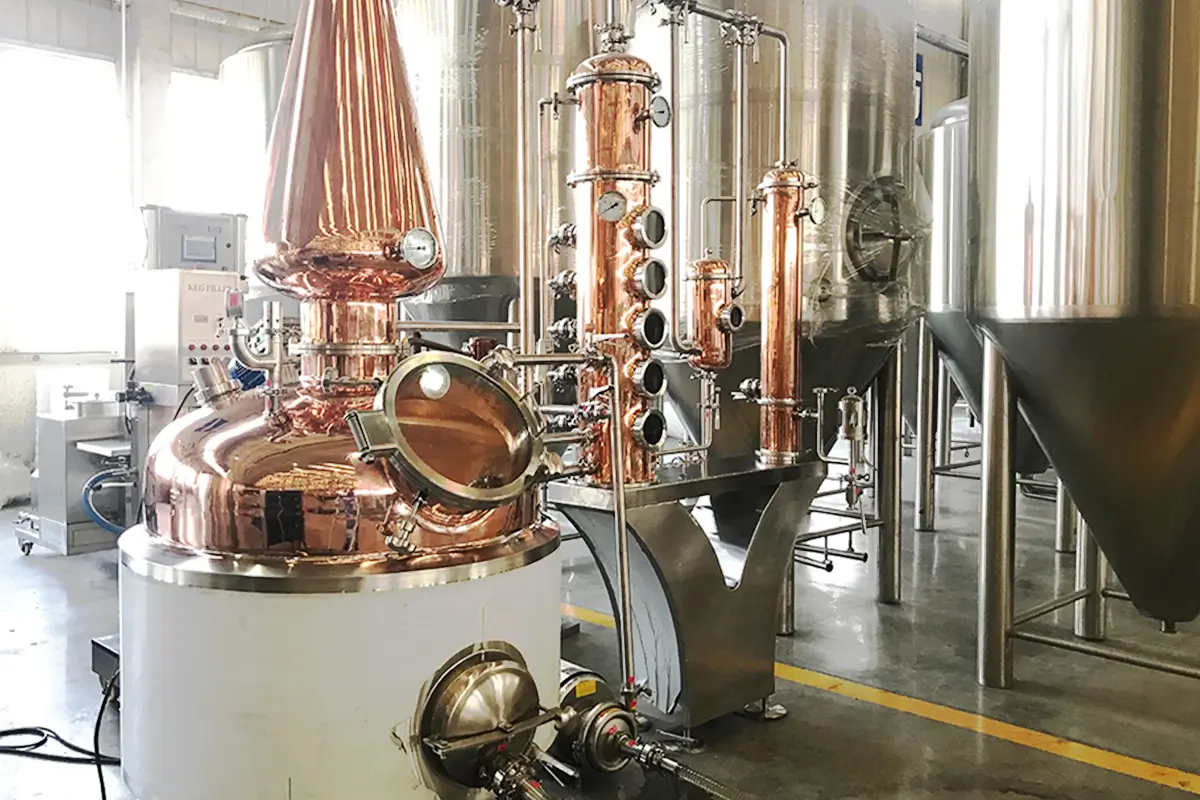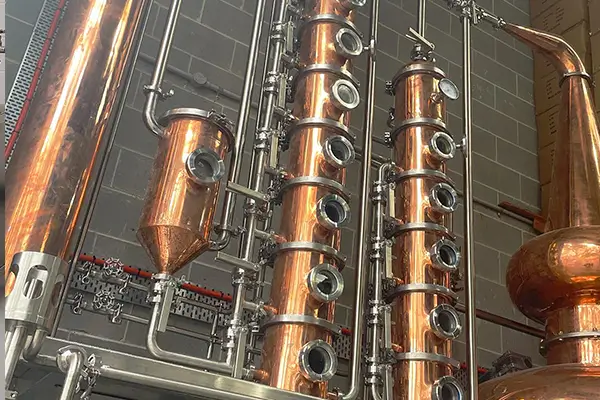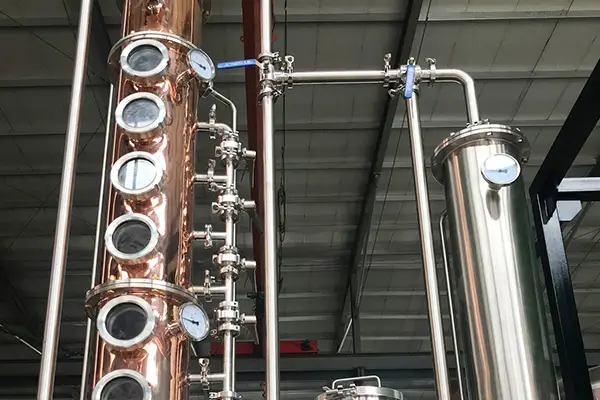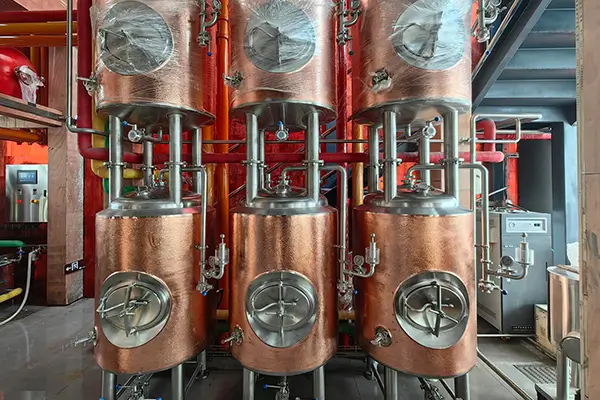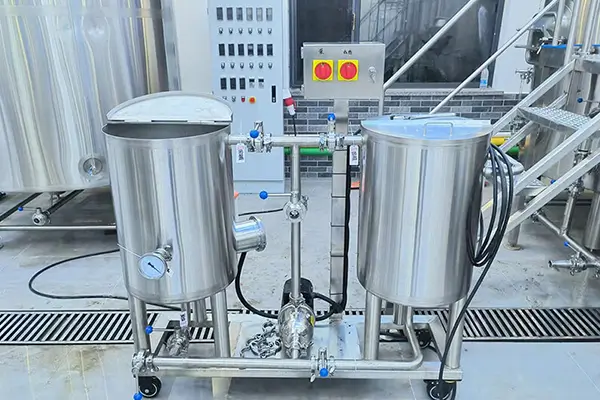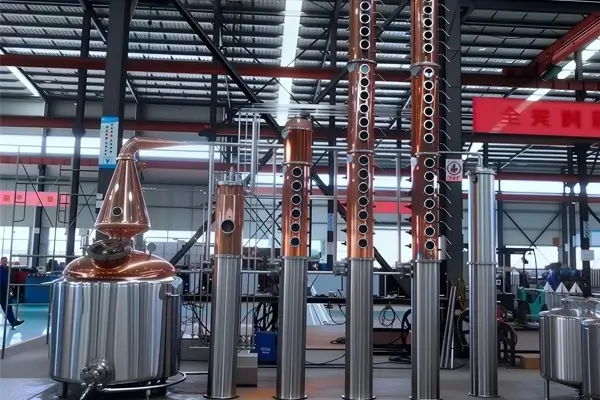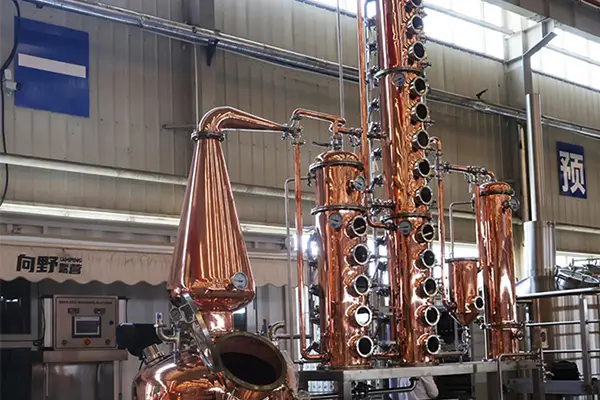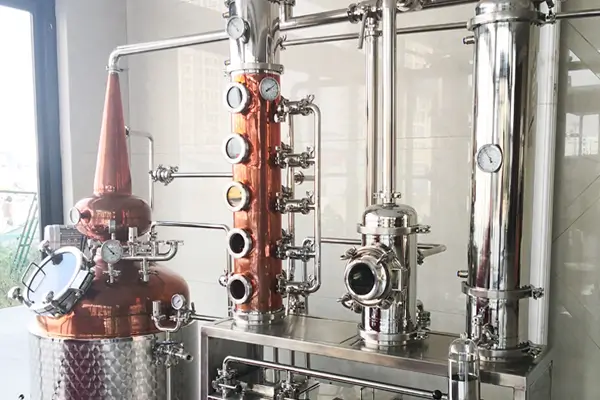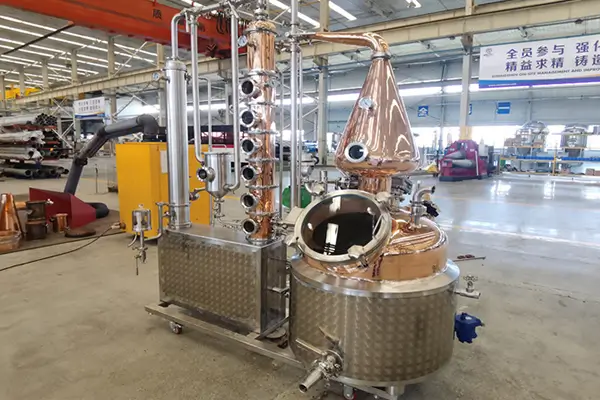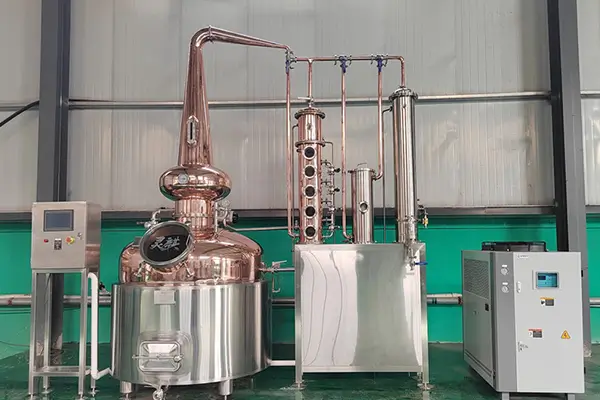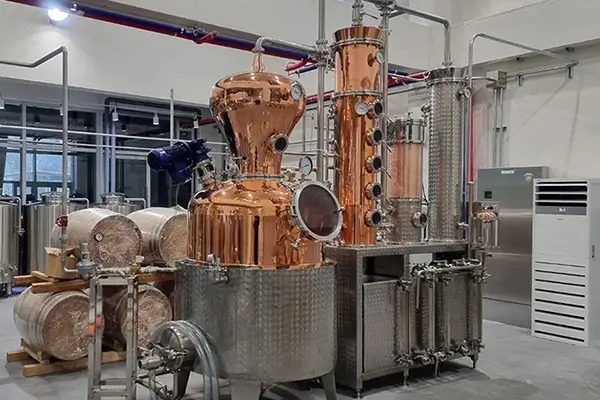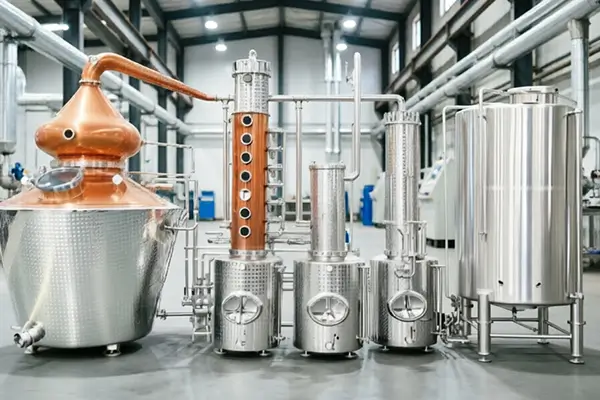



Complete rum distillery equipment for processing fermented sugarcane juice, molasses wash, and other cane-based feedstocks. Configure copper contact, reflux, condensation, and collection around the rum style you intend to produce.


Rum production changes substantially with feedstock, fermentation profile, target proof, and desired ester character. The equipment layout should support the intended balance between flavorful congeners, repeatable separation, batch throughput, and operator control.
Select the still geometry, copper contact area, and reflux strategy to retain the desired cane or molasses character while managing unwanted sulfur compounds.
Pot, hybrid, and plated-column configurations allow the distiller to choose heavier aromatic rum, cleaner light rum, or multiple styles from one production platform.
Plan pumps, wash transfer, heat-up, foam management, condenser duty, and receiver capacity around the properties of the fermented cane or molasses wash.
Build the initial system around realistic batch volumes, then reserve utility, floor-space, and control capacity for additional fermenters, receivers, or distillation modules.
Rum producers may need very different vapor paths depending on the intended spirit. A traditional copper pot still supports heavier congeners and pronounced character, while a hybrid or plated column provides more control over reflux and final proof. The engineering goal is not simply maximum purity; it is repeatable control of aroma, body, and cut points.
Feedstock-aware design: Configure transfer and heating around cane juice or molasses wash characteristics.
Selectable copper contact: Use copper where it supports vapor treatment and the intended spirit profile.
Controllable reflux: Balance flavor retention and rectification through column and condenser choices.
Practical cleaning access: Plan drainage, inspection, and CIP coverage around sticky cane-based residues.
METO can prepare layout inputs, utility loads, process connection points, and equipment interfaces for review against the producer’s wash recipe, batch schedule, and local installation requirements.
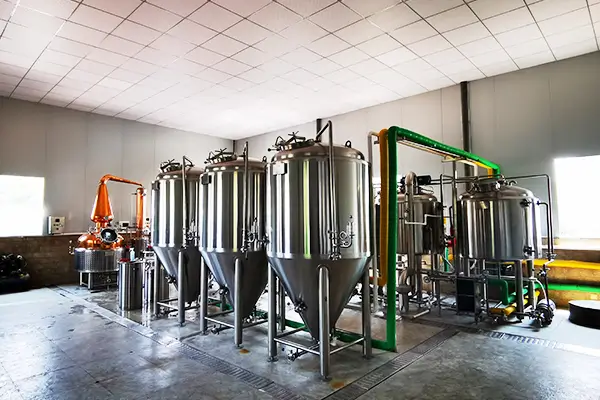
A complete rum facility may include feedstock preparation, fermentation, distillation, spirit receiving, storage, cleaning, and controls. Each section should be sized from the actual wash volume and production schedule rather than copied from a whiskey or neutral-spirit layout.
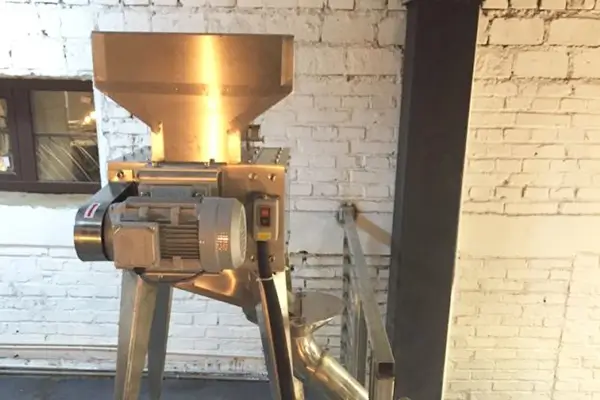
Transfer, dilution, mixing, and preparation equipment for molasses or cane-based feedstocks before fermentation.
Mixing and temperature-management equipment supports consistent dissolved solids and repeatable fermentation preparation.
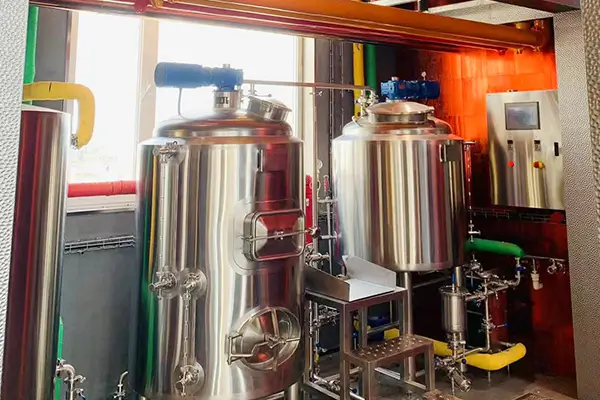
Fermenters sized for the intended wash volume, residence time, yeast program, cleaning method, and batch rhythm.
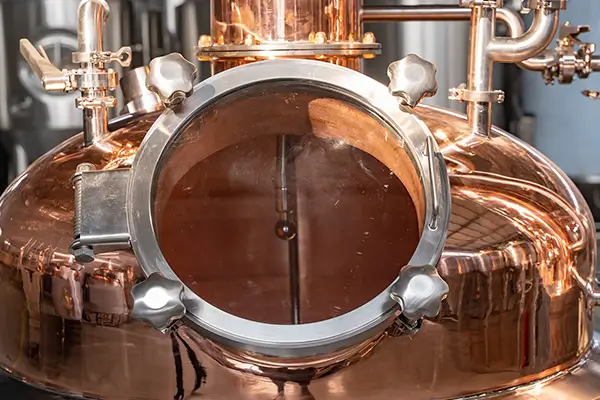
A pot-still vapor path supports robust cane and molasses character, with copper contact selected for the desired aroma and spirit weight.
A pot combined with a controllable side column gives the operator flexibility between heavier aromatic rum and more rectified styles.
Condenser sizing and coolant control should match vapor load, collection rate, ambient conditions, and the desired operating stability.
Separate receiving vessels support deliberate fraction management, blending decisions, and traceable batch handling.
Cleaning equipment and storage vessels should account for cane-based residues, hygienic transfer, drainage, and the producer’s maturation or blending workflow.
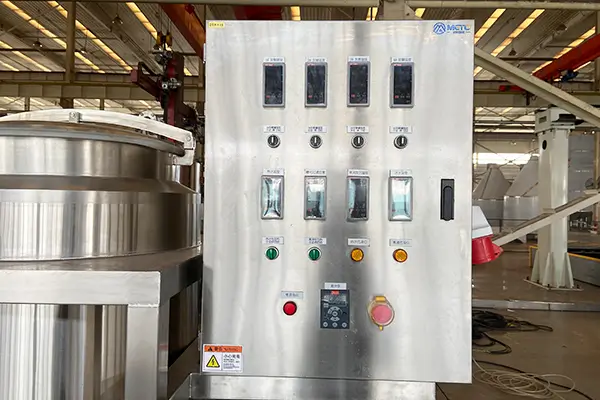
Control panels can coordinate temperatures, pumps, valves, agitation, cooling, and process sequences while leaving the distiller in control of sensory cut decisions.
Choose the configuration by feedstock, target flavor intensity, proof range, batch size, available utilities, and whether the same plant must produce more than one rum style.
Pot stills favor batch production and a fuller congener profile. They suit producers prioritizing aromatic character, heavier body, and hands-on cut management.
A hybrid still combines pot distillation with optional plated-column reflux, allowing one system to cover characterful and cleaner rum profiles.
Larger integrated systems emphasize batch scheduling, heat and cooling balance, receiver management, cleaning access, and repeatable control across production shifts.
Select capacity from fermented wash availability, cycle time, expected cuts, condenser duty, storage plan, and realistic annual production targets.
Startup Distilleries
Craft Distilleries
Commercial Distilleries
Industrial Production
The existing specifications below define the available equipment ranges. Final configuration should be reviewed against feedstock, rum style, facility utilities, and local requirements.
| Specification | Craft Scale (500L–1000L) | Commercial Scale (2000L–5000L+) |
|---|---|---|
| Still Capacity | 500L, 800L, 1000L | 2000L, 3000L, 5000L+ |
| Primary Material | T2 red copper / SUS304 stainless steel | T2 red copper / SUS304 stainless steel |
| Copper Thickness | 3mm–5mm, varies by part | 5mm–8mm, varies by part |
| Heating Method | Electric, steam, or direct fire | Low pressure steam, jacketed or coil |
| Column Diameter | 200mm–350mm | 400mm–800mm+ |
| Number of Plates | 4–16 bubble cap plates, customizable | Customized based on spirit profile |
| Condenser Type | Shell and tube, stainless or copper | High-capacity shell and tube |
| Voltage | 220V / 380V / 480V, 50/60Hz, 3 phase | 380V / 480V, 50/60Hz, 3 phase |
| Automation Level | Manual or semi-auto PID control | Semi-auto or full PLC/HMI automation |
Rum facility design begins with feedstock and flavor goals. METO can coordinate equipment layout, transfer paths, utilities, cleaning access, receiving, and future expansion around the producer’s process plan.
Arrange preparation, fermentation, distillation, receiving, cleaning, and storage to reduce unnecessary transfers and support safe operator access.
Confirm steam or electrical demand, cooling-water conditions, drainage, ventilation, and peak loads from the intended batch schedule.
Reserve connection points and utility capacity for additional fermenters, receivers, columns, or a second still without disrupting the original workflow.
Our rigorous manufacturing process helps ensure every copper still and tank meets high international quality standards before delivery.
Defining requirements, capacity, spirit profile, and creating 2D/3D CAD drawings.
Client sign-off followed by material cutting, rolling, forming, and welding.
Copper component forming, polishing, system assembly, and process line fitting.
Pressure testing, water testing, electrical panel checks, and factory acceptance review.
Secure packaging, global logistics, and on-site or remote installation guidance.
Why Manufacturers Worldwide ChooseUs
Years Experience
Certified Quality
Full Support
Countries Exported
Engineering and procurement questions for selecting rum distillation equipment around cane juice, molasses wash, flavor targets, capacity, and utilities.
Choose from annual output, distillation runs per week and still type. A pot or hybrid still preserves flavor but runs in batches, so volume is limited by run time. Our systems start from smaller pilot sizes up to commercial. Tell us your target and we will calculate.
Pot stills and hybrid stills retain the esters and character that define many rums. Column stills make lighter rum. Many distilleries combine the two. We recommend by the style you intend to produce.
Molasses wash has sugars and solids that can foul heating surfaces. Use a steam jacket, plan regular cleaning, and fit CIP spray devices and easy-to-clean surfaces. Good design and cleaning routines reduce fouling.
Yes. Scope can include molasses dilution and fermentation tanks, stills, condensers, storage tanks, pumps, CIP and layout design. We can supply the whole project or single items.
Steam jackets give even heat and reduce scorching of sugary wash. Electric works for small stills. Direct fire is used traditionally but risks burning solids. We recommend by your wash and size.
Tell us the rum style (white, gold or dark), raw material (molasses or cane juice), annual output, still type and size, heating and utilities, and destination. Our team replies within 8 hours.
Share your feedstock, fermentation volume, target rum styles, preferred proof range, batch schedule, facility layout, heating method, and automation needs. METO can then prepare a configuration for technical review.
Fill in the essentials—our team will respond with a technical proposal.
Tip: Attach layout drawings and utilities list for faster engineering confirmation.
Our team will reply using the contact details you provide. Please check your inbox and spam folder for our response.
*We respect your privacy. All information submitted is strictly confidential.
Your details will only be used to respond to your inquiry. We never send unsolicited emails or promotional messages.