



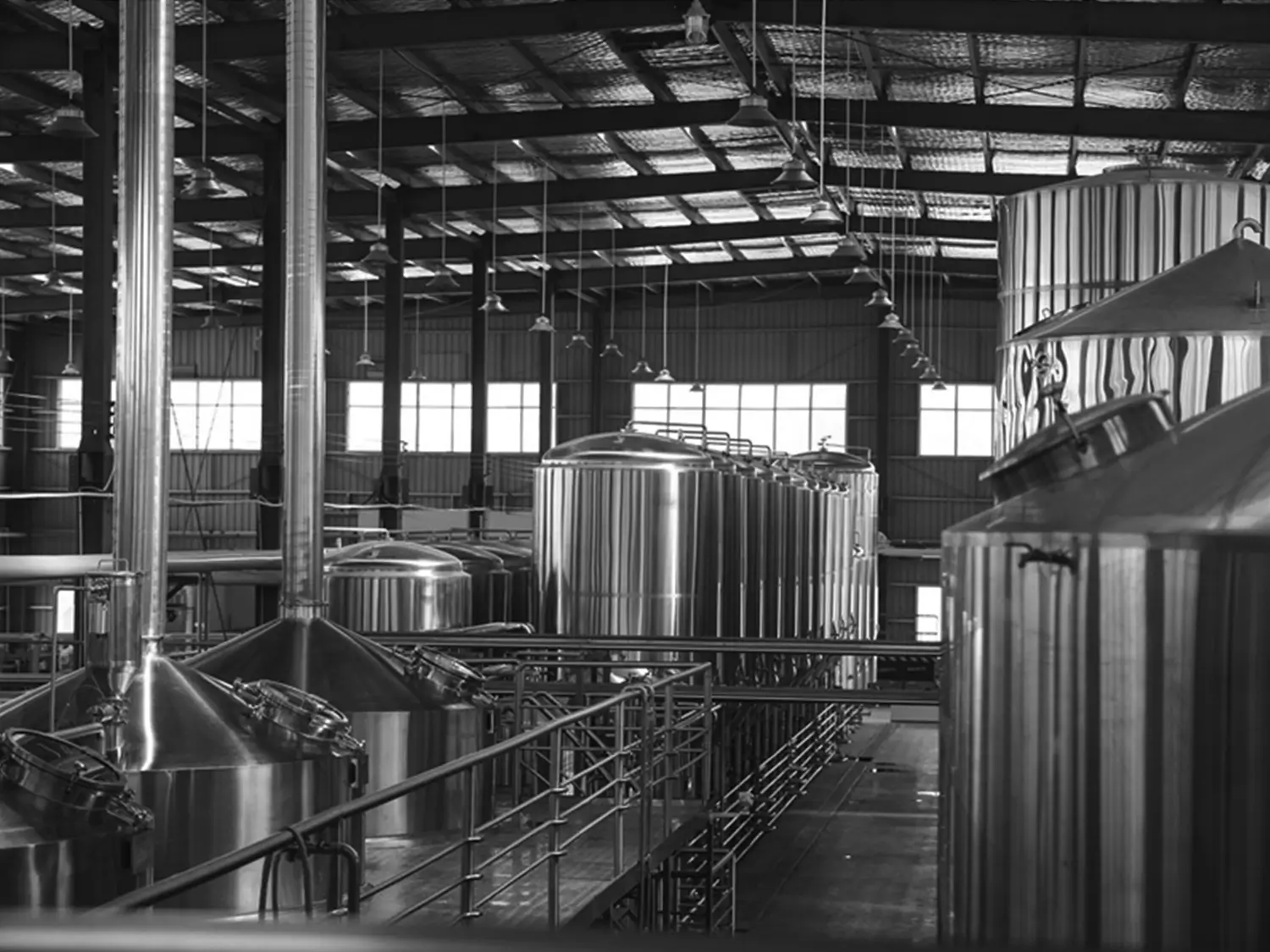
5000L Commercial Brewery Equipment (50HL)
5000L commercial brewery equipment for high-volume craft and contract production, with five-vessel brewhouse, large cellar, CIP, cooling and automation from METO.
Automated clean-in-place (CIP) systems designed for safe, efficient, and repeatable cleaning of brewhouse, fermenters, bright beer tanks, pipelines, and heat exchangers. Engineered for breweries that require strict hygiene control and minimal downtime.
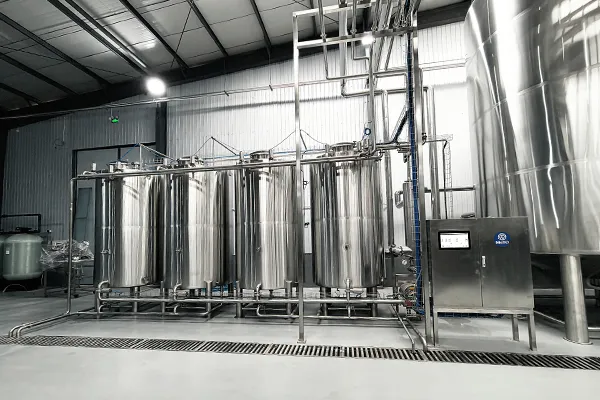
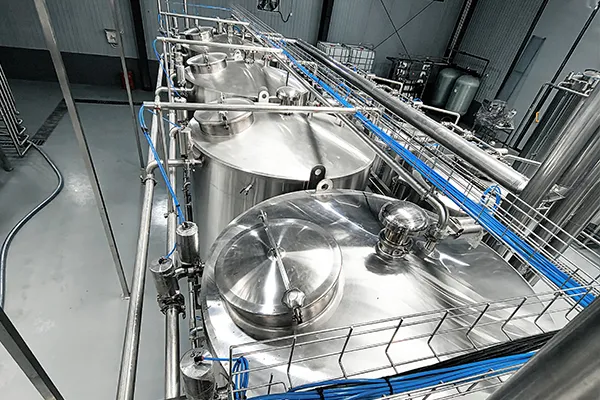
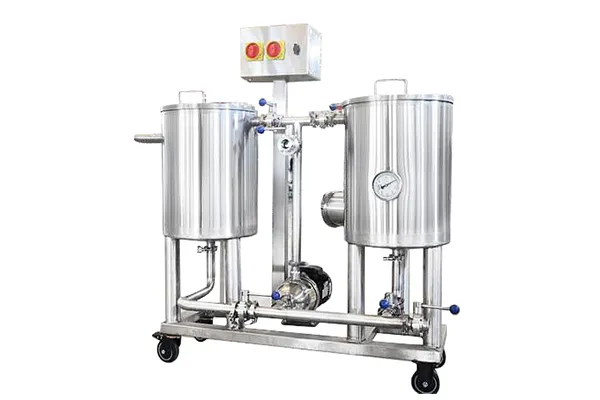
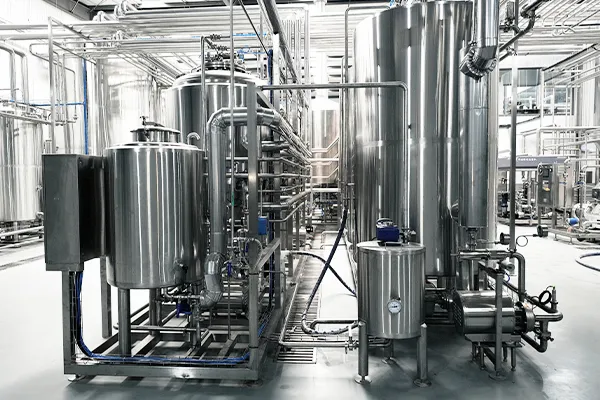
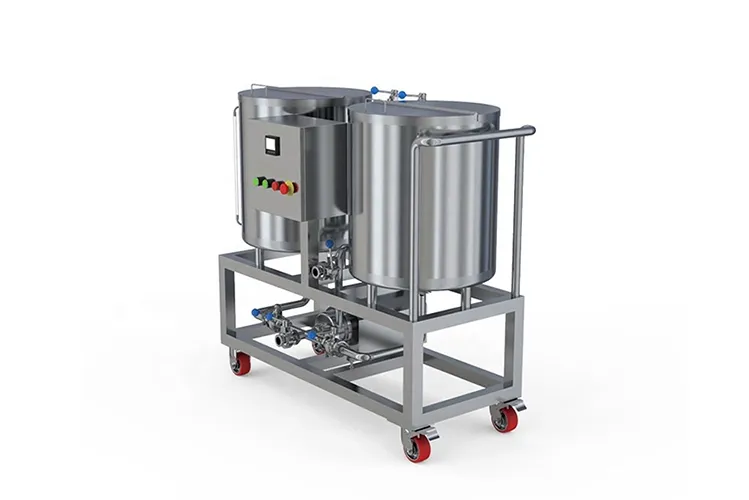
A brewery CIP (Clean-in-Place) system is a centralized cleaning and sanitizing unit designed to circulate caustic, acid, hot water, and rinse water through tanks, pipelines, heat exchangers, and other process equipment without disassembly.
A typical brewery CIP system includes:
Caustic tank
Acid tank
Hot water or disinfectant tank
Fresh water / rinse tank
CIP pump(s) and return line
Heating system & temperature control
Control panel & valves
It ensures consistent, validated cleaning cycles, reduces manual labor, and improves hygiene and product safety.
A professional CIP system supports hygienic, repeatable, and efficient brewery operation by cleaning tanks, pipelines, heat exchangers, and packaging-related equipment throughout the production process.
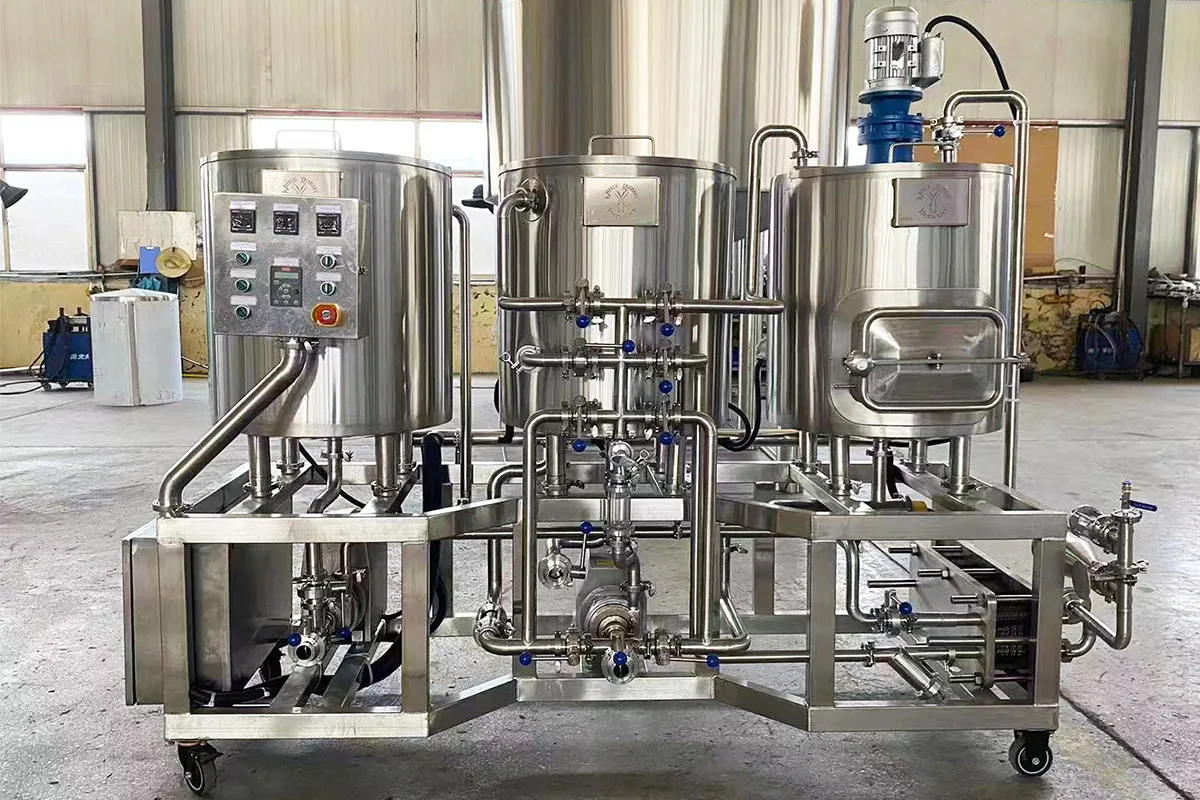
Brewhouse Vessels & Wort Lines
Cleans mash, lauter, kettle, whirlpool vessels, and connected wort pipelines.
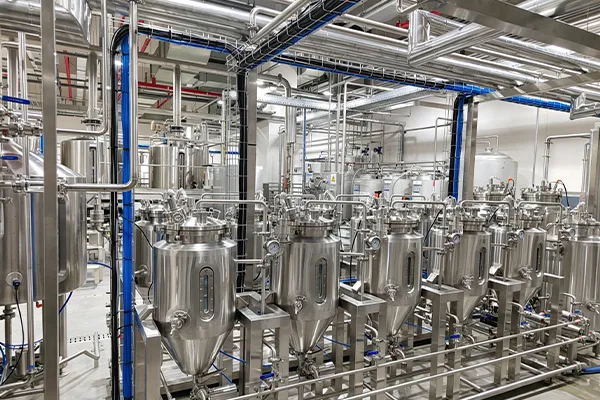
Fermenters & Bright Beer Tanks
Supports sanitary internal cleaning for fermentation and beer conditioning tanks.
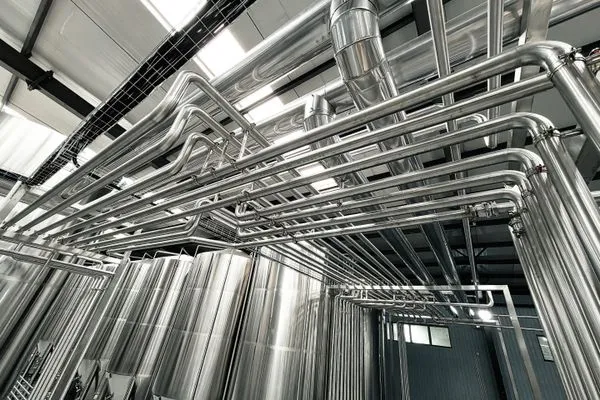
Heat Exchangers &Transfer System
Removes buildup from plate heat exchangers, manifolds, and transfer pipelines.
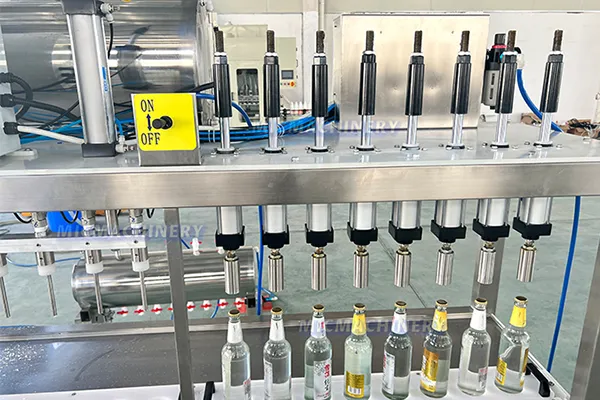
Packaging & Auxiliary Equipment
Extends cleaning coverage to fillers, keg washers, and related process units.
Every CIP system is configured with the key components required for safe, efficient, and repeatable cleaning cycles in a professional brewery environment.
304/316L stainless steel CIP tanks
2–5 tank configuration: caustic / acid / hot water / rinse / sanitizer
Insulated hot water / caustic tank with steam or electric heating
Sanitary centrifugal CIP pump
Return line connection and strainers
Level indicators / sensors
Temperature probe & control
Manual or pneumatic valves
CIP spray ball compatibility with tanks and vessels
Fully automatic PLC/HMI control with recipe management
Flow meters and conductivity sensors
Automated valve manifolds
Integrated dosing for chemicals
Data logging and cleaning validation reports
Additional tanks or larger volumes
Multi-loop CIP for simultaneous cleaning of different lines
Skid-mounted modular CIP systems
Configure your CIP system with higher automation, tracking, and safety features to match HACCP, brewery standards, and production volume.
5000L commercial brewery equipment for high-volume craft and contract production, with five-vessel brewhouse, large cellar, CIP, cooling and automation from METO.
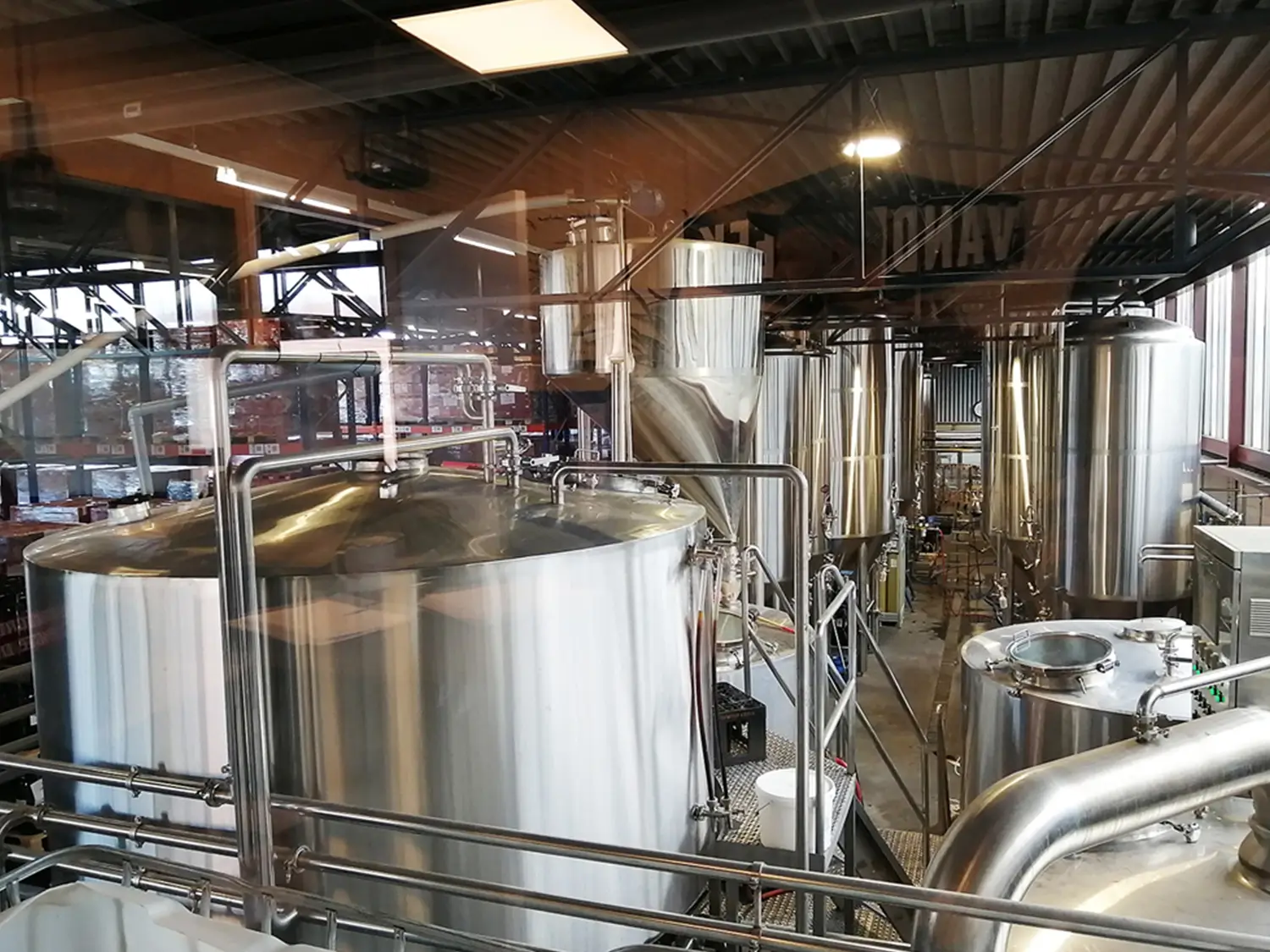
3500L commercial brewery equipment for regional and contract brewing, with five-vessel brewhouse, scalable cellar, cooling, CIP and automation from METO.
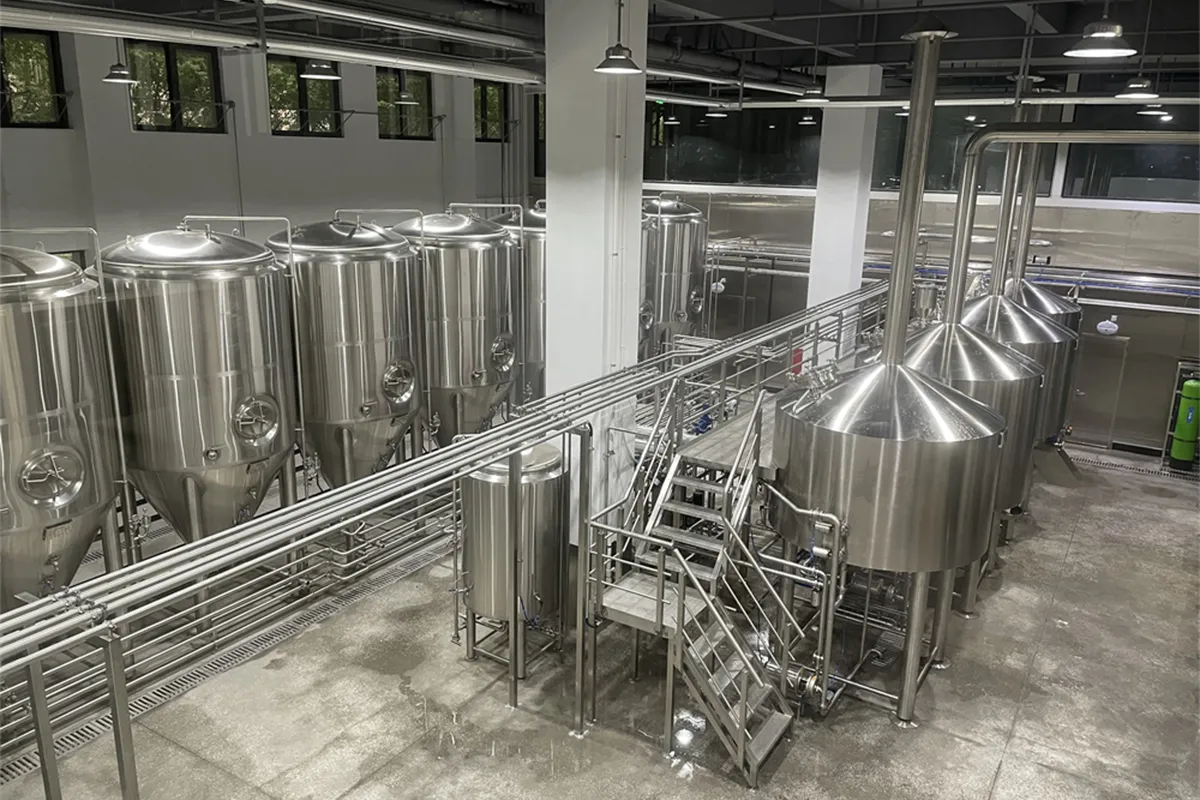
2500L commercial brewery equipment with a five-vessel brewhouse, fermentation cellar, glycol cooling, CIP, automation and optional packaging integration from METO.
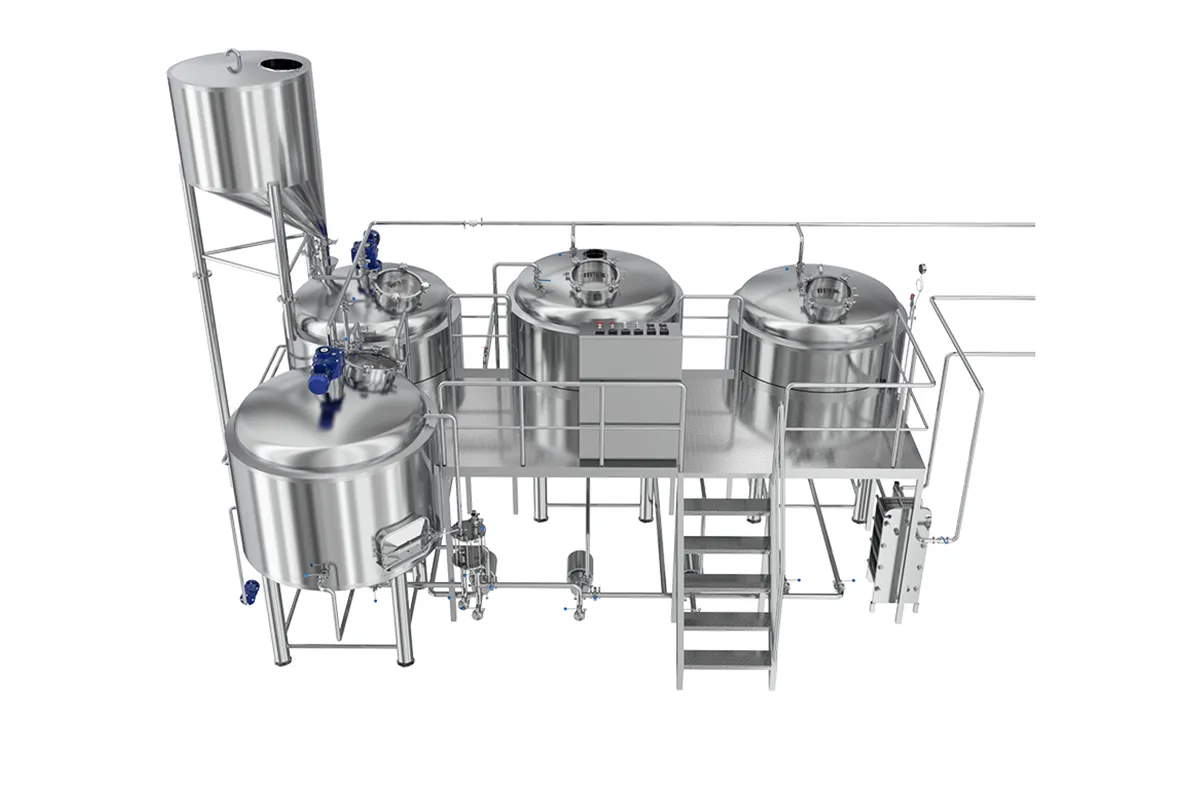
1000L brewery equipment with a three-vessel brewhouse, six fermenters, industrial glycol cooling, CIP, controls and expansion planning for craft breweries.
This overview helps engineers and purchasing teams quickly compare tank volumes, pump capacity, heating methods, and recommended brewery size.
| Model | Tanks | Tank Volume | Heating | Pump Power | Recommended Brewery Scale |
|---|---|---|---|---|---|
| CIP-500 | 2 | 2×500L | Electric | 3 kW | Pilot / Brewpub |
| CIP-1000 | 3 | 3×1000L | Steam / Electric | 5.5 kW | Microbrewery |
| CIP-2000 | 4 | 4×2000L | Steam | 7.5–11 kW | Commercial Brewery |
We offer CIP systems in multiple configurations to match the cleaning requirements of breweries of all sizes—from compact mobile units for pilot systems to fully automated multi-loop stations for large commercial facilities. Each design ensures consistent sanitation, efficient chemical use, and seamless integration with your brewery’s workflow.
Compact skid or trolley with 1–2 tanks, ideal for small systems and flexible use.
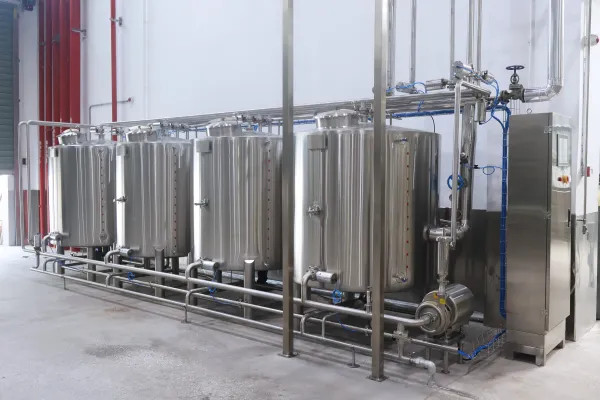
2–4 tank system serving brewhouse, fermenters, and BBT via fixed CIP lines.
High-capacity, multi-line CIP with automated valve manifolds and recipe-based programs.
All CIP systems are designed and assembled in our 20,000㎡ facility with strict hygiene and quality control.
Stainless steel tank fabrication (304/316L)
TIG welding & internal polishing
Pickling & passivation of all product-contact surfaces
Piping assembly and pressure testing
Electrical cabinet wiring and I/O testing
CIP cycle simulation and functional testing prior to shipment

We design CIP systems to integrate with your existing tanks, piping, heat exchangers, and packaging equipment, ensuring efficient cleaning cycles without disrupting production.
We provide brewery-focused CIP solutions that balance cleaning efficiency, water and chemical usage, labor savings, and hygiene compliance, helping you maintain consistent product quality with lower operational risk.
Our CIP systems are built to meet food-grade and brewery sanitation standards, ensuring safe, consistent, and compliant cleaning across all production areas.
We engineer CIP systems tailored to your tank volumes, cleaning frequency, chemical program, and brewery layout for optimal efficiency and integration.
All CIP tanks, piping, pumps, and control panels are produced and assembled in-house, ensuring consistent quality, competitive pricing, and reliable lead times.
We provide installation guidance, SOP development assistance, troubleshooting, and ongoing service to maintain cleaning performance and reduce operational downtime.
Our FAQ section answers the key questions most brewery owners, engineers, and purchasing managers ask before placing an order. It helps you quickly understand our customization capability, certifications, lead times, installation support, and what information we need to prepare an accurate quotation.
A CIP system circulates cleaning liquids through tanks, pipes and heat exchangers without dismantling them. A typical cycle is a pre-rinse with water, a hot caustic wash, an intermediate rinse, an optional acid wash, and a final rinse or sanitizing step. Times and temperatures depend on the soil and spray device. We can set the program with you.
Manual units cost less and suit small breweries that clean a few tanks a day. Semi-automatic systems add pumps and valves with controlled steps. Fully automatic systems run programmed cycles and record data, best for larger or high-turnover plants where repeatability matters. Tell us your tank count and staff and we will recommend a level.
One tank is the minimum for small setups, but separate tanks for caustic, acid, hot water and rinse (two to five tanks) let you reuse chemicals and save time and water. More tanks means more upfront cost but lower running cost. Send your cleaning routine and we will choose the configuration.
CIP tanks can be heated electrically or by steam. Electric heating is simple and fits smaller systems, while steam suits larger breweries that already have a boiler. The heater power determines how long it takes to reach cleaning temperature, which we size to your needs.
Check visually through the tank manway, test the rinse water pH until it returns to neutral, and review turbidity or conductivity of the return flow if sensors are fitted. Many brewers also swab critical points. Automatic systems can log cycle times and temperatures to document each clean.
Please send the list and size of your tanks, the length and diameter of pipes to be cleaned, the number of circuits you want to clean at once, available utilities (water, power, steam) and floor space. With that, we calculate the flow, pump and tank volume and prepare the quotation.
Our team will reply using the contact details you provide. Please check your inbox and spam folder for our response.
*We respect your privacy. All information submitted is strictly confidential.
Your details will only be used to respond to your inquiry. We never send unsolicited emails or promotional messages.