

Пивоварня «Dusty Lizard»
Location: Australia Website:https://www.dustylizardbrewing.com.au/ Project Detail: Dusty Lizard Brewing is a craft brewery and brewpub based in Australia, known for producing flavorful, approachable beers for

 English
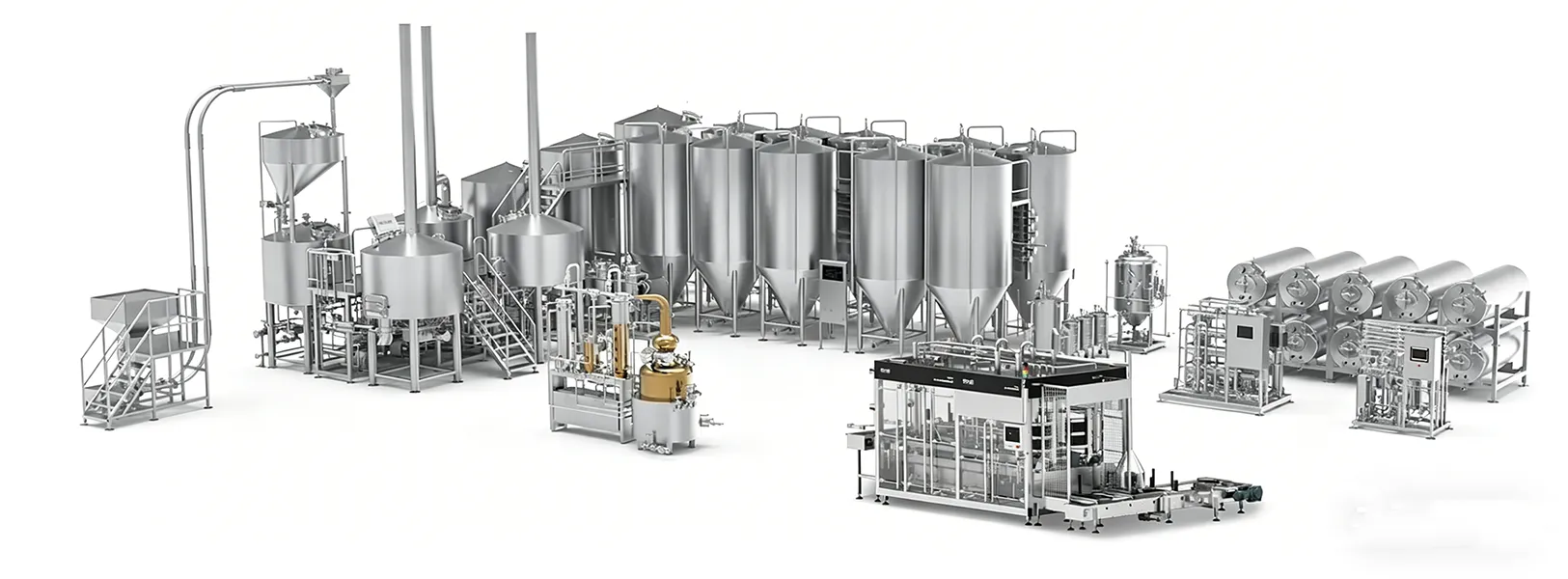
Integrated support systems for malt milling, CIP cleaning, yeast propagation, process piping, and water treatment. Designed to improve sanitation, production consistency, operational efficiency, and long-term plant reliability.
Brewery auxiliary systems support the key operations behind stable brewing, including malt preparation, hygienic cleaning, yeast management, process transfer, and water quality control.
A well-designed auxiliary system improves sanitation, reduces manual work, protects product quality, and helps the brewhouse and fermentation sections run more efficiently. These systems are widely used in craft breweries, microbreweries, and commercial brewing projects that require dependable daily operation.
From compact mobile units to fully integrated utility systems, each configuration can be matched to your brewery size, process route, and automation requirements.
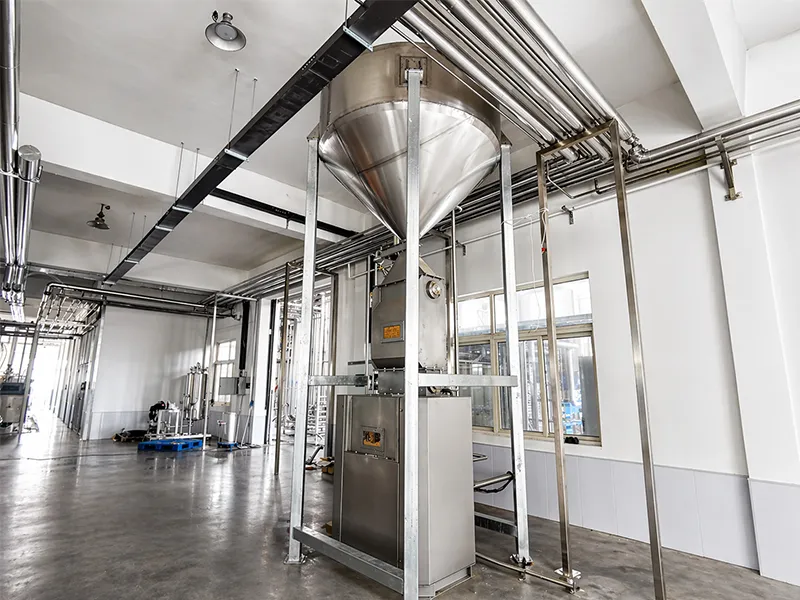
The grain handling system is the starting point of brewery production. It is designed to crush malt evenly while maintaining proper husk structure, helping improve mash efficiency, lautering performance, and brewhouse consistency.
The CIP system is essential for the circulation cleaning and sanitization of tanks, pipelines, heat exchangers, filling equipment, and other brewery process units. By using caustic solution, acid solution, hot water, and fresh water in controlled cleaning cycles, the system helps maintain hygienic brewing conditions and stable beer quality.
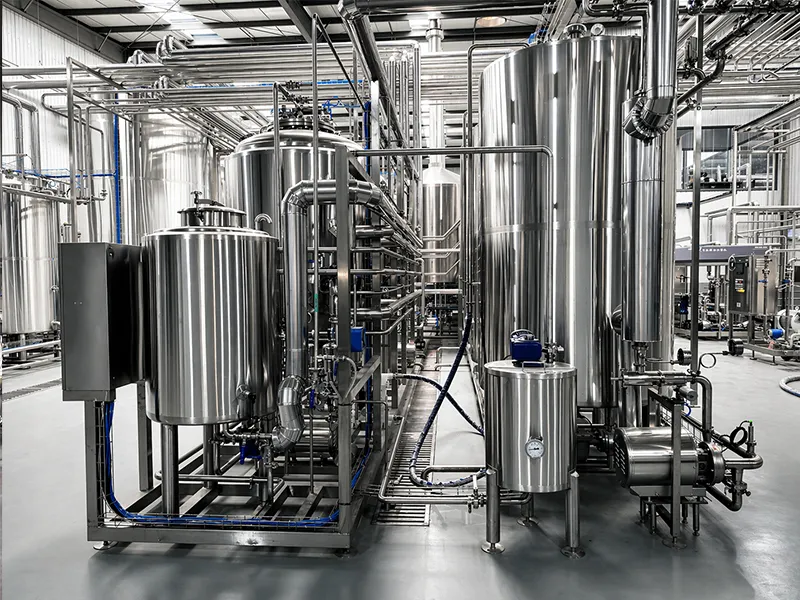

The yeast propagation system is used to cultivate and preserve pure yeast strains before fermentation. Under sterile and controlled conditions, a small quantity of stored yeast can be gradually propagated to the required volume, helping maintain yeast purity, vitality, and fermentation consistency.
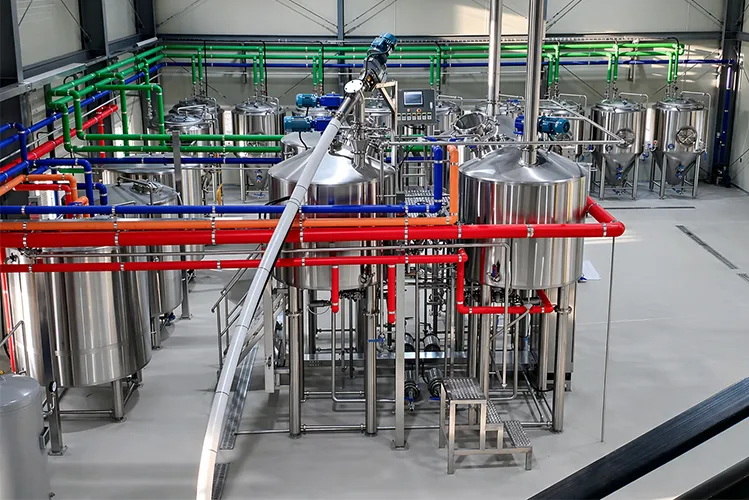
The brewery process piping system connects brewhouse vessels, fermenters, utility units, and auxiliary equipment into one coordinated production network. Proper piping design improves hygiene, reduces transfer loss, simplifies operation, and helps ensure stable brewing performance.


The water treatment system is a critical support unit for ensuring beer quality and the safe operation of brewery equipment. It purifies, softens, and sterilizes raw water so that water used in brewing, cleaning, and boiler systems meets process requirements.
Location: Australia Website:https://www.dustylizardbrewing.com.au/ Project Detail: Dusty Lizard Brewing is a craft brewery and brewpub based in Australia, known for producing flavorful, approachable beers for

Location:Guayaquil,Ecuador Project Detail: In 2016, we established a partnership with Django Cerveza Artesanal, a renowned craft beer brand in Ecuador, to provide tailor-made

Location: Australia Website:https://edenbrewery.beer/ Project Detail: In 2016, we initiated our inaugural collaboration with Eden Brewery, an Australian-based microbrewery. As part of

Location:71 RUE DE TOURAINE ,France Project Detail: In 2022 , the owners visited our old customer’s factory and brewed the beer to understand our
Our brewery auxiliary systems are designed to match brewhouse capacity, plant layout, and process requirements, helping customers build more hygienic, coordinated, and efficient production lines.
Built with hygienic stainless steel construction and practical cleaning-oriented layouts.
System size, control mode, heating method, and utility matching can be configured by project scale.
Auxiliary systems can be matched with brewhouse, fermentation, and plant utility requirements.
Designed for reliable performance, easier maintenance, and future production expansion.
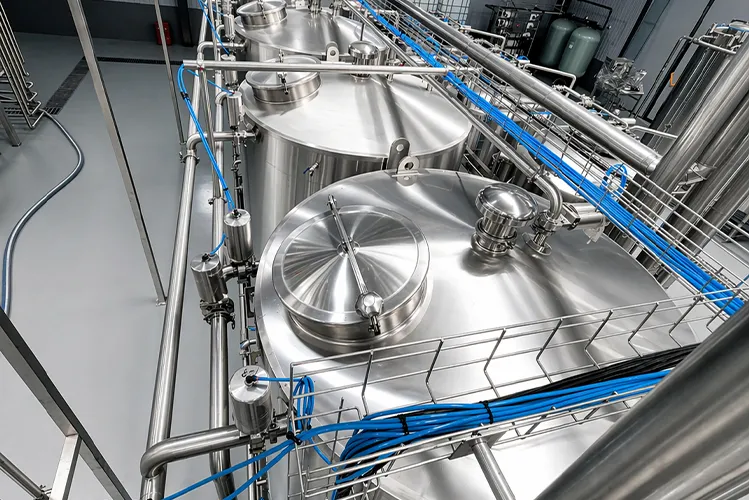
All auxiliary brewing equipment is manufactured and assembled in our 20,000㎡ stainless steel fabrication and system integration facility.
Quality process includes:
TIG welding with sanitary finish
Pressure and leak testing
Functional testing before shipment
Material and component traceability
CE / UL / PED compliant production where required
Each system is tested to ensure reliable operation before leaving our factory.

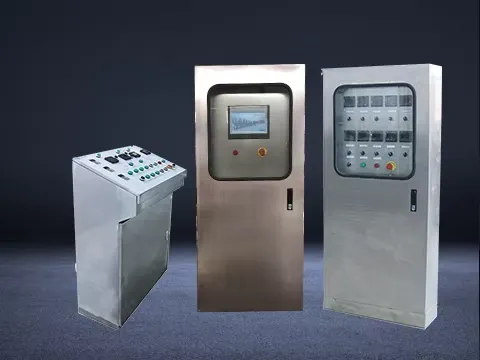
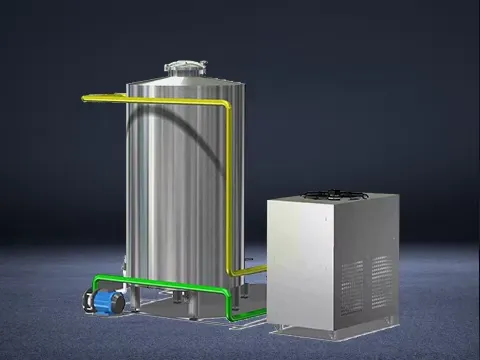
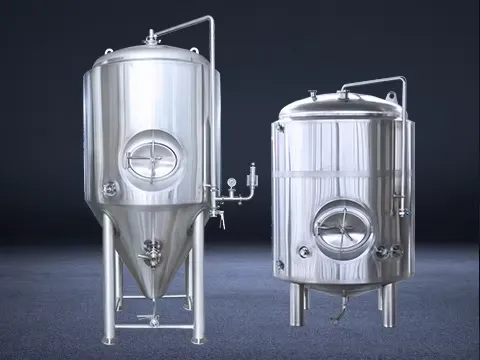
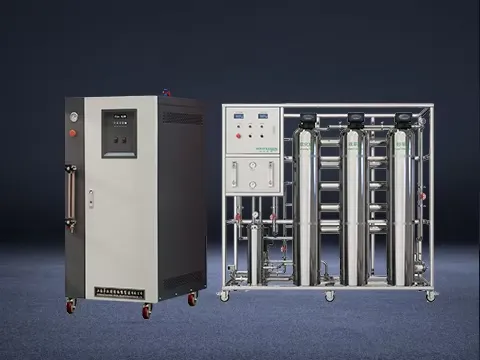
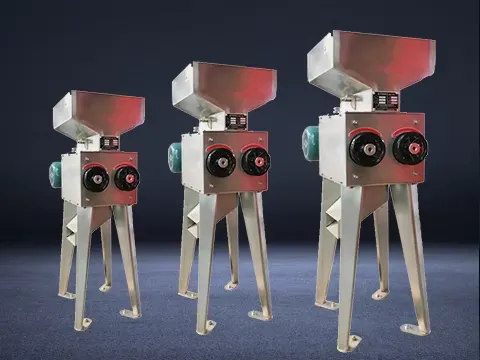
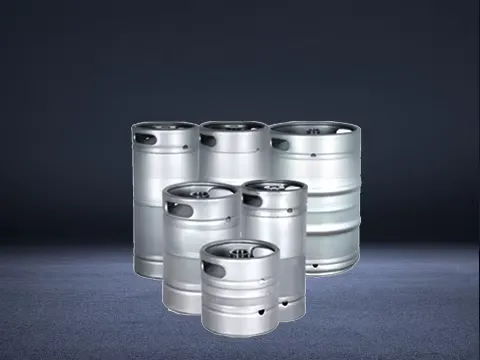
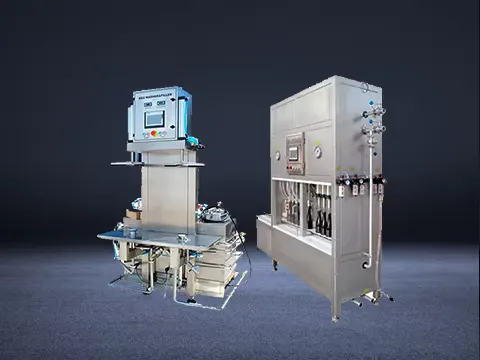
We design auxiliary equipment as part of a complete brewing process, not standalone products.
Direct control over quality, customization, and delivery schedules.
Auxiliary systems supplied to breweries in 60+ countries worldwide.
From layout design to commissioning and after-sales service.
Common auxiliary systems are malt milling and handling, CIP cleaning, yeast propagation, process piping, water treatment, an air compressor, glycol chiller, pumps and heat exchangers. The right list depends on your size and process. Send your project scope and we will propose the system.
Often yes. We check interfaces, connections and capacity on your current equipment and provide drawings so units fit. Send photos and an equipment list to confirm.
Yes. Our engineers prepare process piping layouts and P&ID drawings as part of project design, including valves, pumps and sanitary connections. Drawings are confirmed before manufacturing.
Yes, we can supply auxiliary systems together with the brewhouse, fermenters, cooling and packaging as a coordinated project so interfaces match. You can also order single items.
Water quality affects mashing and flavor. Common steps are filtration and softening, and adjusting minerals to the beer style. Tell us your water analysis and we will advise on equipment.
Add up the compressed-air use of valves, filling and cleaning, and the largest cooling load of your tanks, then add margin. We calculate both from your equipment list.
Our team will reply using the contact details you provide. Please check your inbox and spam folder for our response.
*We respect your privacy. All information submitted is strictly confidential.
Your details will only be used to respond to your inquiry. We never send unsolicited emails or promotional messages.